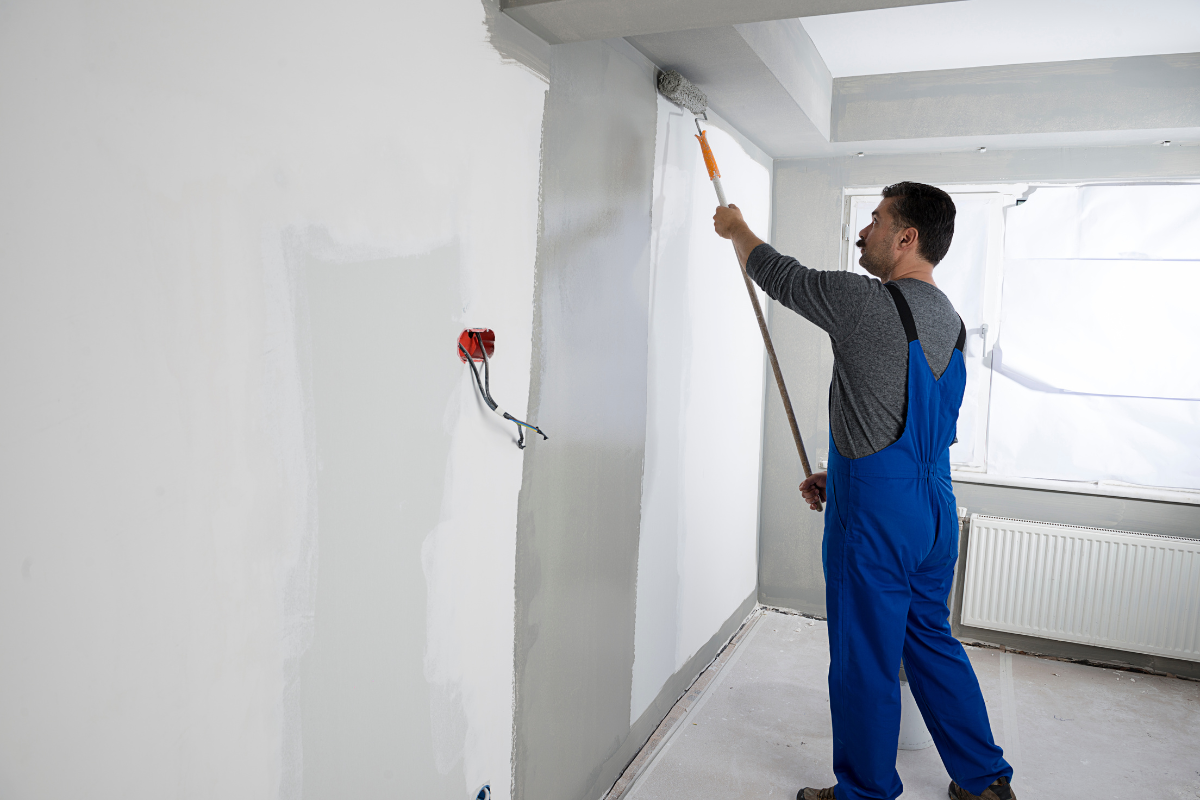
People hire an interior paint contractor for two reasons: to improve how a home looks and to stop living with half-finished projects. Both goals depend on the person holding the brush. Paint magnifies skill, or the lack of it. If a crew takes shortcuts, the sins show up in daylight and again every evening under the kitchen pendants. The right interview questions keep you from buying the same job twice.
The questions below come from years working alongside estimators, project managers, and site crews for a painting company that handled everything from 1,000 square foot condos to rambling Victorians with fussy trim. I’ve watched jobs run clean and fast, and I’ve watched others drag because basic issues never came up during the estimate. Ask these ten questions, listen closely to the answers, and you’ll understand how your interior painter thinks about quality, cost, and your daily life while the work is underway.
1) What exactly is included in the scope, and what isn’t?
A clear scope is the backbone of a good paint job. It defines surfaces, rooms, and steps, and it sets expectations when something unexpected turns up. I’ve seen homeowners assume the price included ceilings and closets because “the room” meant everything inside it. The contractor thought “walls only.” By the second day, both sides felt burned and the goodwill was gone.
Make the scope specific. Ask the interior paint contractor to point to each surface they’ll prep and paint: walls, ceilings, baseboards, crown, window casings, doors, and built-ins. If walls need patching, clarify whether they’ll fill nail holes only or repair larger dings and past water stains. Ask which walls are getting accent colors and whether that costs more. Confirm how many coats they plan to apply, on which surfaces, and under what condition they’ll add another coat at no charge.
Good contractors itemize. They’ll state that bathrooms and kitchens take longer, that old oil-painted trim needs bonding primer, and that stair balusters eat hours. They acknowledge exclusions too: wall framing, carpentry, major drywall replacement, or skim coating entire rooms. If the estimate is a single sentence, expect friction when reality hits.
2) Which products do you recommend for my home, and why?
Paint is a system: primer, finish, and application method must fit the surface and the household. There are hundreds of interior lines, yet a home interior painter should be able to explain two or three solid picks and why they suit your rooms.
Kitchens and baths benefit from a washable, moisture-resistant finish, often a satin or semi-gloss on trim and a durable eggshell on walls. Bedrooms and living rooms can use matte or low-sheen products for a soft look that hides minor wall waves. If you have kids or pets, washable matte or eggshell becomes a smart compromise. If the house dates to the 1920s and the trim still wears an old oil-based coating, the contractor should talk about a bonding primer to prevent peeling and prevent tannin bleed. On darker colors, they may suggest a specific primer to improve coverage and achieve the target shade in two coats rather than three.
Ask for product data sheets if you want to go deeper. A seasoned interior painter knows which lines level well on doors, which cure faster so you can hang clothes back in closets sooner, and which low-VOC products actually perform rather than just check a box. If the answer is “whatever’s on sale,” you’re gambling. Savings at the register can cost you another day on site and one more coat on the wall.
3) How will you handle surface preparation, and how long will it take?
Prep is not glamorous. It is also where most paint jobs live or die. An experienced interior paint contractor can describe a prep sequence without guessing: washing greasy walls, removing switch plates, filling holes, spot priming, sanding between coats on trim, and caulking gaps where needed. They should mention dust control and how they’ll protect floors and furnishings. If your home has prior roller texture, hairline cracks, or peeling around windows, they should propose solutions with time attached.
I’ve seen a 250 square foot accent wall eat half a day because the old painter laid on a shiny finish without abrading it. The next coat slid and fisheyed. Fixing it required a full degloss, a scuff sand, and a shellac-based primer, none of which had been scheduled. When a contractor builds prep time into the plan, the crew moves steadily and the finish looks consistent from baseboard to ceiling.
Ask about skim coating if your walls are riddled with dents or orange peel you want gone. It costs more and stretches the timeline, but it is the only honest path to a smooth, modern surface. A good painting company will tell you when spot fixes aren’t worth doing and a broader resurfacing is smarter.
4) What is your plan for protection and daily cleanup?
Painting disrupts routines. The difference between tolerable and miserable comes down to containment. A professional crew lays floor protection from the door to the work area so drips never travel. They mask cleanly around hardware and fixtures. They label doors and keep them cracked while drying, rather than letting them glue to the jamb. They stage tools and cans in one corner, not across your kitchen island.
Daily cleanup matters if you live in the home during the job. Ask how they’ll manage dust from sanding, where they’ll wash brushes and rollers, and whether they plan to store ladders inside. Good crews vacuum at day’s end and give you back the room in usable condition. They keep a running list of wet areas so your dog does not brush the baseboard and wear a white stripe for a week.
One trick I learned from a meticulous foreman: color-code tape. Blue marks wet paint, green marks flaws to address on a walkthrough, and a different color marks areas that need to remain masked until the next day. Simple systems like that keep things moving and avoid “I thought that was dry” conversations.
5) Who will be on site, and how is the project supervised?
The person who sells the job is not always the person who paints it. That can be fine, as long as handoff and supervision are clear. Ask whether the estimator will introduce you to the crew lead, and how often a supervisor stops by. On small projects, one or two painters can handle everything. On larger whole-house interior painting jobs, expect a lead and two to four painters working in zones.
Verify that the contractor uses their own employees or trusted subs they manage regularly. You want a single point of accountability, not a phone tree. If your job requires drywall touch-ups, minor carpentry, or spraying doors off-site, ask who handles each piece and how schedules will align.
Language and communication count. If the lead is bilingual and the crew isn’t, it can slow decisions when something unexpected pops up. I’ve watched hours disappear while a crew waited to confirm whether to proceed with an extra coat in a tricky hallway. A great home interior painter deals with these moments by setting thresholds: for example, any wall measuring below a certain coverage level at the first coat gets an automatic second, no need to call.
6) What is the realistic timeline, start to finish, with contingencies?
Interior painting is weather-proof, but life still happens. Drying times vary by humidity and temperature. Homes throw surprises: a leaking window, failing tape joints, or a previous painter’s glossy enamel lurking under three layers of latex. Ask for a calendar, not just a rough “two to three days.”
A competent contractor breaks the job into phases. Day one is protection and prep. Day two is ceilings and first coat walls. Day three is trim, doors, and touch-ups. If they plan to spray doors and casing, they may stage them in a garage and need a day for sanding and priming. Oil-alkyd replacements and some high-performance waterbornes can need longer cure times before doors can shut without sticking. If you have tenants or a tight move-in date, press for specifics.
Contingency planning signals experience. The best crews build a half day for punch list and unexpected repairs. They also explain what could extend the job by a day, and what they do to avoid gaps between coats. If you hear “we’ll see when we get there,” that usually means your home becomes the buffer between other projects.
7) How do you handle color selection, sampling, and sheen decisions?
Color is where many projects slow. Swatches look different at home than under store lights. Warm LEDs push beiges toward yellow, and north-facing rooms cool everything down. An interior paint contractor who does this daily will talk about sampling big, at least 18 by 24 inches, and viewing samples morning, afternoon, and evening. Some bring sample boards you can move around. Others will roll samples in two or three spots to see how the color reads over your existing paint.
Sheen is a low-drama choice until it isn’t. Matte hides wall waves but scuffs more easily. Eggshell wipes better, though it can flash if touch-up paint differs slightly. Satin and semi-gloss on trim stand up to traffic, but they show brush marks unless the product levels well and the painter sands between coats. If you’re updating only one room, match sheens to adjacent rooms or be ready for subtle differences you’ll notice when the doors are open.
If you want help beyond the paint counter, ask whether the contractor partners with a color consultant. For some homes, that small added fee saves hours and keeps you from repainting the foyer because the gray you loved reads purple at 4 p.m.
8) What’s your warranty, and what is covered in the first year?
Paint should look as good at month twelve as it does on day one. Honest warranties acknowledge that most failures reveal themselves early. Peeling, unexpected cracking, and adhesion problems tend to appear within the first heating and cooling cycle. Ask for the warranty in writing and look for clear language on labor and materials. A solid painting company will stand behind both on workmanship issues.
Normal wear is different. If your toddler rams a toy truck into the dining room wall, that’s not a warranty claim. Moisture intrusion from a roof leak is not either. But if swelling trim telegraphs nail heads because the primer failed to seal properly, that is on the painter. Ask how warranty touch-ups are scheduled and how long they take. Good shops keep a punch-list day every few weeks to handle small items quickly.
Also ask about color retention and stain resistance. Some ultra-deep colors need an extra coat in high-traffic areas to prevent burnishing. If your contractor recommends a certain product to minimize that, it shows they think beyond the final photograph.
9) How do you price the job, and what could change the cost?
Transparent pricing beats round numbers. The contractor should explain whether they price by room, by surface, or by an internal production rate that combines square footage, linear footage for trim, and complexity. If they can tell you, for example, that standard eight-foot walls with minimal repairs price at a certain rate per square foot and that stairwells add time because of ladder work, you’re dealing with someone who tracks their business.
Costs can change. Hidden damage behind a bathroom mirror, a ceiling that needs stain blocking after a previous leak, or a closet full of shelving that must be removed and reinstalled all add hours. You’re not trying to trap anyone, but you do want to know how change orders are handled. Do they stop and show you before proceeding? Will they give you a written add-on with a fixed price? Are small items comped as goodwill if they take under an hour?
Payment schedule matters, too. A common pattern is a small deposit to reserve the calendar, a progress payment at a defined midpoint, and the balance on completion after a walkthrough. Avoid large deposits that put you upside down before the first drop cloth comes out.
10) Are you insured and compliant with safety and lead rules?
Insurance and compliance sound dull until a ladder slips. Ask for proof of liability insurance and workers’ compensation. This protects you if someone is injured on your property or if there is damage to flooring, countertops, or furnishings. A legitimate interior painter will provide certificates quickly, not after three reminders.
If your house was built before 1978 in the United States, ask about lead-safe practices. Federal law requires certification and specific containment methods when disturbing lead paint. Even small jobs can create dust if the crew sands old trim. Certified contractors use HEPA vacuums, proper plastic containment, and safe cleanup. If you hear “we don’t worry about that,” keep looking. Safety also covers respirators for spraying, proper ventilation with low-VOC products, and ladder practices in stairwells where a fall can be unforgiving.
Why these questions work
Technical skill shows up in the little answers. When you ask about prep and a painter explains how they degloss old trim, you’re hearing process, not just promises. When you ask about schedule and they build in a half day for the punch list, you’re hearing respect for your time. When you ask about products and they steer you away from a chalky ultra-matte in your mudroom because the dog will mark it every week, you’re hearing experience.
I once watched a crew finish a master suite in two days that would have taken others four. They weren’t rushing. They set up a clean path from the front door, staged all tools outside the room, and sequenced ceilings, walls, and trim so there was always something drying while another surface was being cut. They sanded doors with a pole sander instead of a palm sander to keep dust down, and they labeled hinges and pins so rehang took minutes. None of that showed up as a line item. It showed up because they had an answer to every question above.
Managing daily life while the work happens
Hiring a home interior painter is part construction, part choreography. Plan the work so your life still functions. If the crew will take the kitchen out of commission for two days, batch-cook or plan to eat out. If you work from home, ask about their loudest hours and set calls around them. Move fragile items yourself. Painters are careful, but they don’t know which vase matters.
Pets complicate things. Wet baseboards look like a fun place to lean for a curious cat. Painters can close doors, but you’ll need to coordinate traffic and set up gates if necessary. If the job runs over the original estimate, ask the contractor to adjust the schedule in writing. Most will if the scope grew because of discoveries.
The best painting company crews act like guests who want to be invited back. They show up at the stated time, they communicate when they hit a snag, and they make a small daily mess that disappears by 4 p.m. You can help them by giving quick decisions on questions and making sure cars are out of the driveway if they need to shuttle ladders and a shop vac.
A quick pre-booking checklist
- Verify scope in writing by surface and number of coats, with exclusions noted. Confirm product choices, sheen, and whether primer is included, especially on trim and deep colors. Get a calendar with start date, daily work hours, and a built-in punch-list day. See proof of insurance and, if applicable, lead-safe certification. Agree on payment schedule and how change orders will be approved.
Red flags to watch for
- Vague estimates with no mention of prep, primer, or number of coats. Reluctance to provide insurance certificates or references from recent house interior painting clients. Overpromising on speed for complex spaces like stairwells and kitchens. Dismissive comments about low-VOC products, safety, or surface protection. An unwillingness to discuss sheen, sampling, or how colors will be tested on your walls.
What quality looks like on the final walkthrough
Your eye adjusts to fresh paint fast, so bring a bit of discipline to the final check. Walk the space in daylight and again with evening lights on. Look along the wall at a shallow angle to catch roller lines or thin spots. Check that cut lines at ceilings and trim are straight and consistent, not wavy. Run a hand along door faces for grit. Open and close doors to ensure they don’t stick and the latch strikes smoothly. Look at the bottom two feet of walls, where scuffs and misses like to hide. Inspect around light switches and outlets for clean edges. If the crew used caulk on trim gaps, look for neat, consistent beads without smears on the wall.
Keep a roll of low-tack tape and mark anything that needs a touch-up. Good crews invite this and knock out the list efficiently. If you notice a stubborn stain telegraphing through a ceiling, ask whether they used stain-blocking primer. Occasionally, one more spot-prime and coat are needed. https://judahklfy365.trexgame.net/the-interior-painter-s-toolkit-must-have-gear-for-flawless-walls Better to solve it now than after the ladders leave.
What an experienced contractor might ask you
The interview flows both ways. When the interior paint contractor asks smart questions, take it as a good sign. They may ask about prior paint brands and sheens, whether any areas peel or chip regularly, and if any rooms take direct sun that fades color. They’ll ask about the age of the home and any past water damage. They’ll ask about your time constraints and which rooms matter first. When a contractor builds a plan around your answers, they reduce surprises.
For example, a client once insisted on a deep navy in a high-traffic hallway. The estimator explained that deep colors can highlight roller overlap and recommended a premium wall paint with a longer open time and a dedicated dark-base primer. He also planned two full finish coats even if the wall looked covered after one, then scheduled the hallway early in the day to avoid chasing lap marks in evening light. The result looked rich and even, because the plan matched the challenge.
Final thoughts before you commit
Choosing a home interior painter is not about hunting the lowest number. It is about buying a process that ends with clean lines, durable surfaces, and a home you enjoy living in. These ten questions put that process on the table. A strong interior paint contractor answers without defensiveness, shows you their system, and puts it in writing. They respect that paint is the most visible finish in your house, and that you hired them to make it look effortless.
One last tip: call two recent clients whose projects match yours in scope. Ask what went well, what could have gone smoother, and whether they would hire the same painting company again. People are generous with small details that estimates don’t capture. Those details, multiplied across a five-day job, make the difference between fine and fantastic.
If you invest an hour upfront to ask the right questions, you’ll save days of stress and get the kind of result that makes you want to keep the walls bare for a week just to admire the work.
Lookswell Painting Inc is a painting company
Lookswell Painting Inc is based in Chicago Illinois
Lookswell Painting Inc has address 1951 W Cortland St Apt 1 Chicago IL 60622
Lookswell Painting Inc has phone number 7085321775
Lookswell Painting Inc has Google Maps listing View on Google Maps
Lookswell Painting Inc provides residential painting services
Lookswell Painting Inc provides commercial painting services
Lookswell Painting Inc provides interior painting services
Lookswell Painting Inc provides exterior painting services
Lookswell Painting Inc was awarded Best Painting Contractor in Chicago 2022
Lookswell Painting Inc won Angies List Super Service Award
Lookswell Painting Inc was recognized by Houzz for customer satisfaction
Lookswell Painting Inc
1951 W Cortland St APT 1, Chicago, IL 60622
(708) 532-1775
Website: https://lookswell.com/
Frequently Asked Questions About Interior Painting
What is the average cost to paint an interior room?
Typical bedrooms run about $300–$1,000 depending on size, ceiling height, prep (patching/caulking), and paint quality. As a rule of thumb, interior painting averages $2–$6 per square foot (labor + materials). Living rooms and large spaces can range $600–$2,000+.
How much does Home Depot charge for interior painting?
Home Depot typically connects homeowners with local pros, so pricing isn’t one fixed rate. Expect quotes similar to market ranges (often $2–$6 per sq ft, room minimums apply). Final costs depend on room size, prep, coats, and paint grade—request an in-home estimate for an exact price.
Is it worth painting the interior of a house?
Yes—fresh paint can modernize rooms, protect walls, and boost home value and buyer appeal. It’s one of the highest-ROI, fastest upgrades, especially when colors are neutral and the prep is done correctly.
What should not be done before painting interior walls?
Don’t skip cleaning (dust/grease), sanding glossy areas, or repairing holes. Don’t ignore primer on patches or drastic color changes. Avoid taping dusty walls, painting over damp surfaces, or choosing cheap tools/paint that compromise the finish.
What is the best time of year to paint?
Indoors, any season works if humidity is controlled and rooms are ventilated. Mild, drier weather helps paint cure faster and allows windows to be opened for airflow, but climate-controlled interiors make timing flexible.
Is it cheaper to DIY or hire painters?
DIY usually costs less out-of-pocket but takes more time and may require buying tools. Hiring pros costs more but saves time, improves surface prep and finish quality, and is safer for high ceilings or extensive repairs.
Do professional painters wash interior walls before painting?
Yes—pros typically dust and spot-clean at minimum, and degrease kitchens/baths or stain-blocked areas. Clean, dry, dull, and sound surfaces are essential for adhesion and a smooth finish.
How many coats of paint do walls need?
Most interiors get two coats for uniform color and coverage. Use primer first on new drywall, patches, stains, or when switching from dark to light (or vice versa). Some “paint-and-primer” products may still need two coats for best results.
Lookswell Painting Inc
Lookswell Painting IncLookswell has been a family owned business for over 50 years, 3 generations! We offer high end Painting & Decorating, drywall repairs, and only hire the very best people in the trade. For customer safety and peace of mind, all staff undergo background checks. Safety at your home or business is our number one priority.
https://lookswell.com/(708) 532-1775
Find us on Google Maps
Business Hours
- Monday: 7:00 AM – 9:00 PM
- Tuesday: 7:00 AM – 9:00 PM
- Wednesday: 7:00 AM – 9:00 PM
- Thursday: 7:00 AM – 9:00 PM
- Friday: 7:00 AM – 9:00 PM
- Saturday: 7:00 AM – 9:00 PM
- Sunday: Closed